The block that never sleeps.
Five thousand tiny houses on Robinhood Chain. Move a PonsGuy into one and its window lights up — a lit window earns from every token fee and resale royalty the block collects.
Every house was built, not drawn.
Each one is assembled from real geometry — a body shape, a roof that fits it, tiles laid row by row, then whatever ended up on the roof and the front wall. Nothing is a filter over the same picture.
A window needs two things to light up.
A PonsGuy living in the house, and fuel burned into it. One without the other keeps the lot dark, and breaking either one puts it out.
Hold both
The house and the PonsGuy have to sit in the same wallet. The contract checks ownership of both at that moment.
Clock in
One Guy, one house. He can't cover six lots at once, and the house won't take a second resident.
Burn fuel for weight
Burning PONS into the house buys its share of every split — one token, one unit of weight, up to a hundred. A house with a resident but no burned fuel stays dark.
Wait out the warm-up
A fresh stay earns nothing for the first 24 hours, so nobody can move in seconds before a deposit and leave right after. Hit "Start earning" once it clears.
Stay put
Sell the house or move the Guy and the stay ends on the spot — and the burned weight goes with it. Lighting the window again means burning fuel again. Earnings accrued so far stay in the house's wallet.
Take a lot.
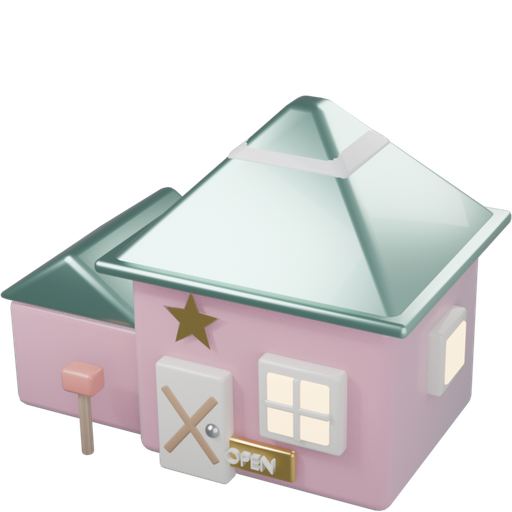
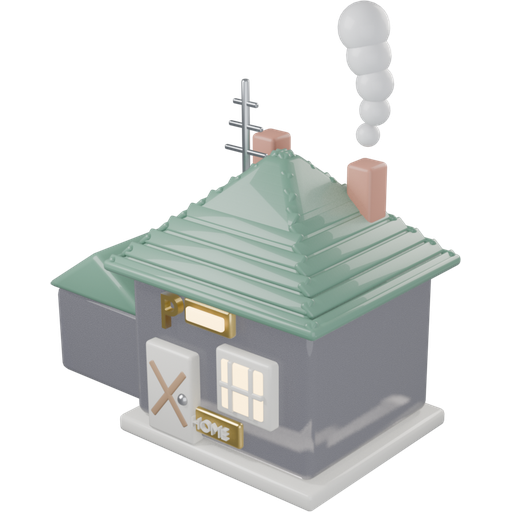
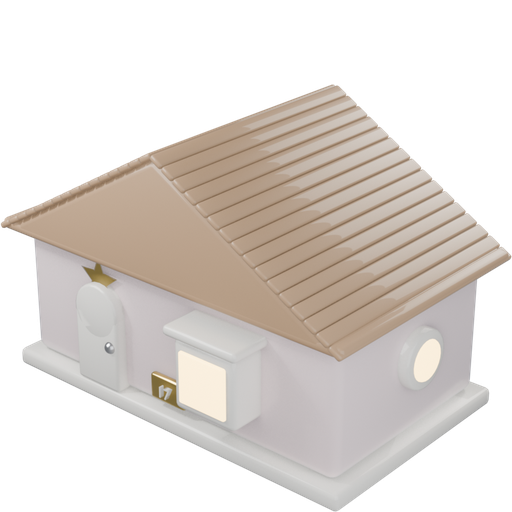
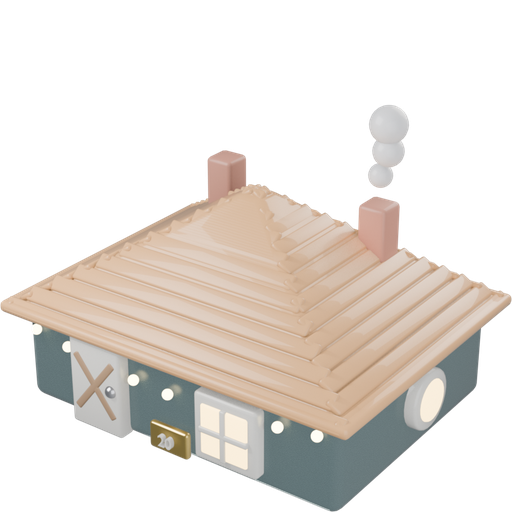
Four out of five thousand. Traits are rolled before mint and the hash of all 5000 is stored in the contract at deploy, so nobody — including us — picks which house lands in which wallet.
Mint
Solve this to get a mint pass:
First 2500 houses: one free per wallet plus five at 0.0001 ETH, six in total. The remaining 2500 are all paid, with the cap raised to ten per wallet.
Your block
Selected lot
Burned fuel belongs to this stay. Move the Guy out or sell the house and the weight is gone — relighting means burning again.
Rewards
Earnings go to each house's own wallet, not to yours. Withdraw from there — and empty it before selling, the balance travels with the token.